


EDGE26: Key Insights from Ireland’s Creative Economy Summit
One week on from EDGE26, the conversations, ideas and momentum generated across Ireland’s Creative Economy Summit continue to resonate.
At CREW, EDGE26 was designed with a clear ambition: to create a meaningful conversation around the future of the creative economy and the opportunity for the West and North West to help position Ireland as a global leader in creative innovation.
What the summit reinforced is that this opportunity is real.
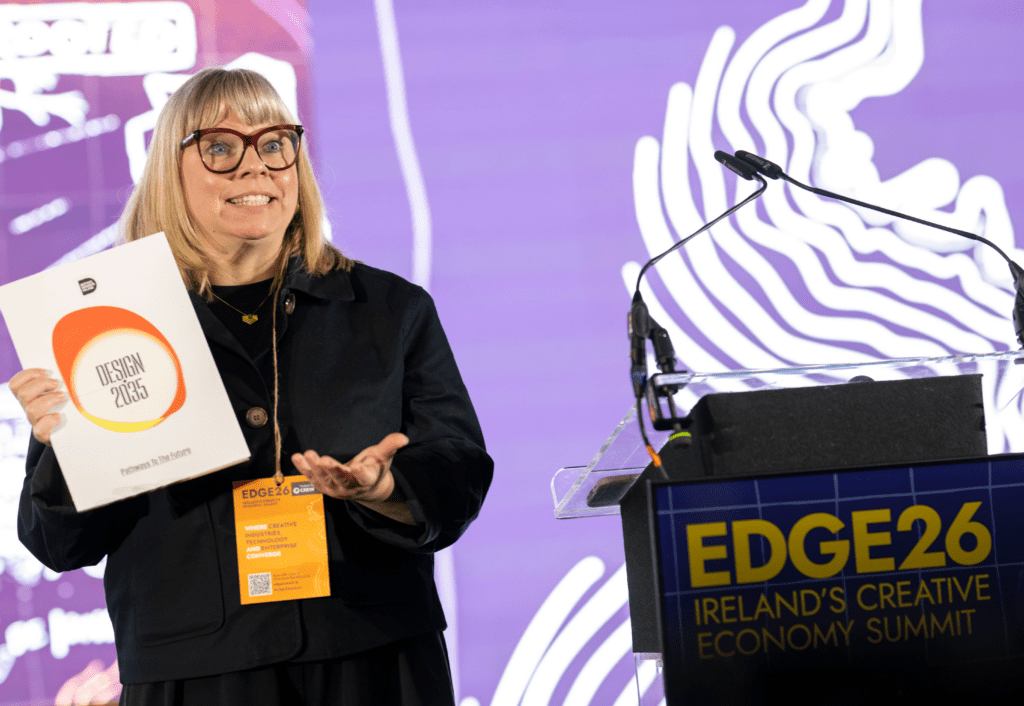
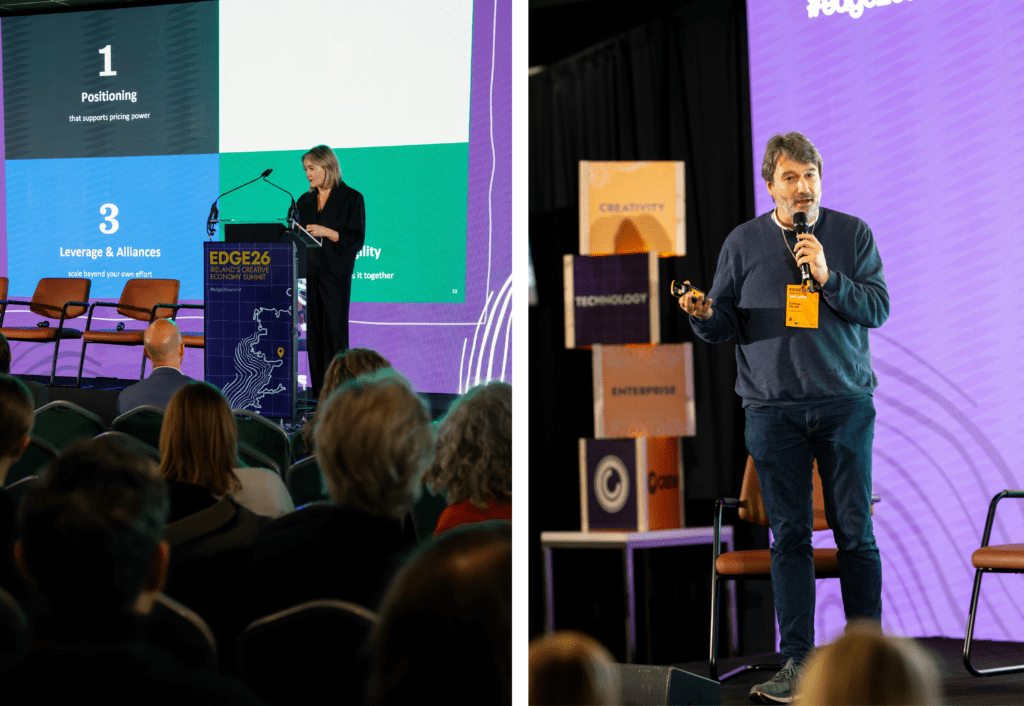
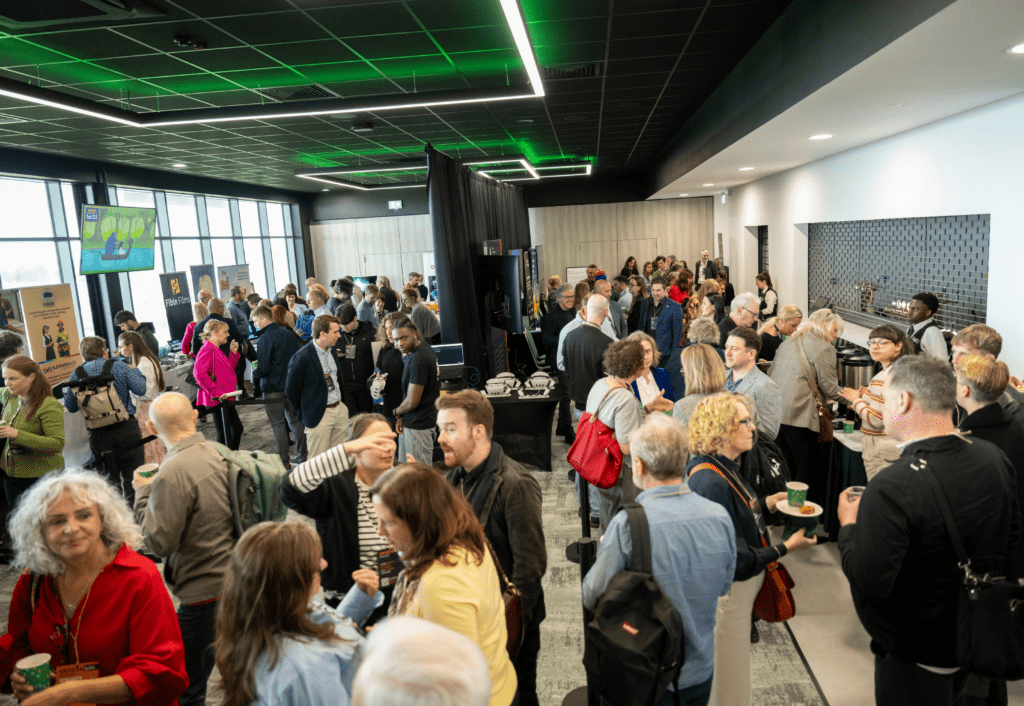
Bringing together more than 350 delegates, 34 speakers, and 30 startup and SME exhibitors, EDGE26 created space for meaningful exchange across industry, academia, enterprise, policy, research, and entrepreneurship. With perspectives from Ireland, UK, France, and the US, the event reflected both the global nature of the creative economy and the importance of international connection in shaping regional growth.
More importantly, there was a clear sense of energy and alignment in the room. Across keynote talks, founder discussions, startup showcases, and industry panels, one message came through consistently: creativity is emerging as one of Ireland’s most strategic economic assets.
The Summit highlighted how sectors such as gaming, animation, immersive media, design, film, digital storytelling, and creative technology are converging into a broader innovation ecosystem. Rather than operating as isolated industries, these sectors are increasingly interconnected, sharing technologies, talent, business models, and opportunities for global growth.
Key Insights from EDGE26
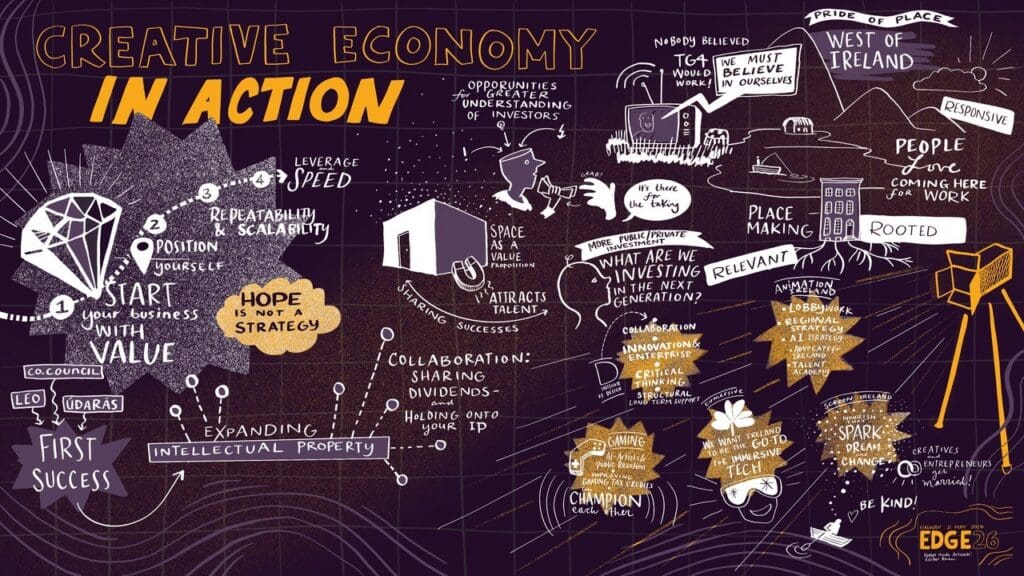
Creativity is a driver of innovation across sectors
A major theme throughout the summit was the growing recognition that creative capability extends far beyond culture and entertainment. Discussions highlighted the increasing overlap between creative industries and sectors such as healthcare, simulation, training, architecture, advanced manufacturing, tourism, and education.
Technologies and approaches originating in gaming, immersive storytelling, design, and virtual production are now influencing how organisations innovate, communicate, train, and engage audiences across the wider economy. Creative capacity is a core driver of innovation.
Ireland’s opportunity lies in scalable, IP-driven businesses
Speakers repeatedly emphasized that long-term value in the creative industries comes from ownership: original content, proprietary platforms, immersive experiences, formats, tools, and globally recognizable brands.
The future opportunity lies not only in producing creative work for international markets, but in building Irish-owned intellectual property that can scale globally and generate recurring economic value.
Creative technology is emerging as a major economic category
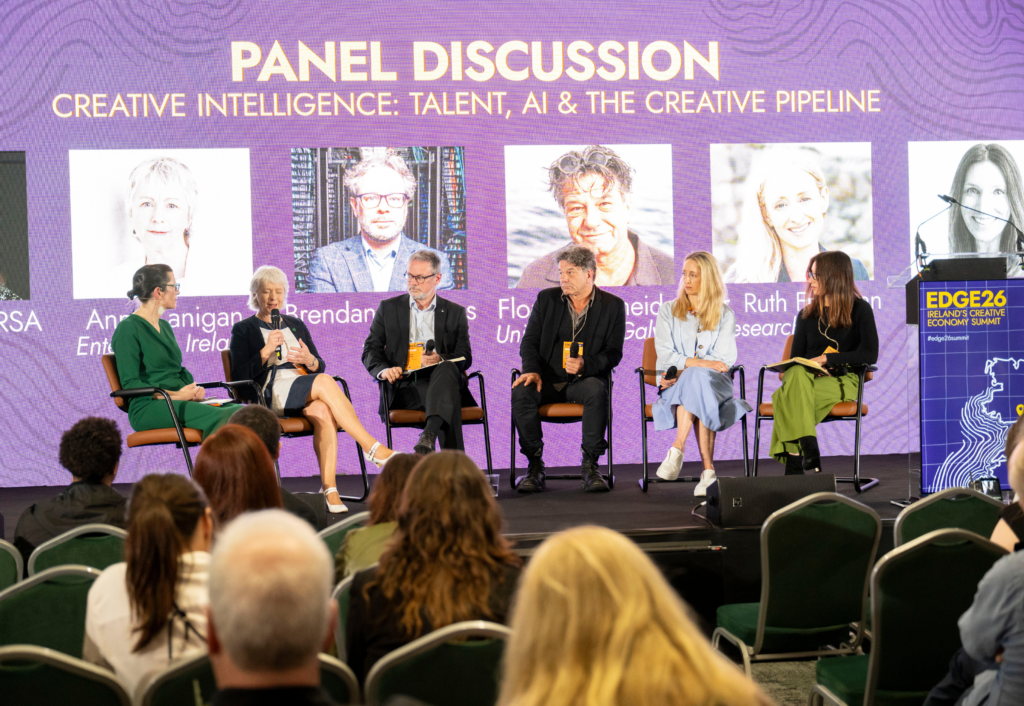
Many conversations focused on the rise of creative technology as a major economic category in its own right. Delegates explored how technologies such as artificial intelligence, virtual production, immersive environments, and advanced visualization tools are transforming how content is created, distributed, and experienced.
Importantly, the discussions did not frame technology and creativity as competing forces. Instead, speakers highlighted how technology is amplifying creative capability and opening entirely new markets and forms of storytelling.
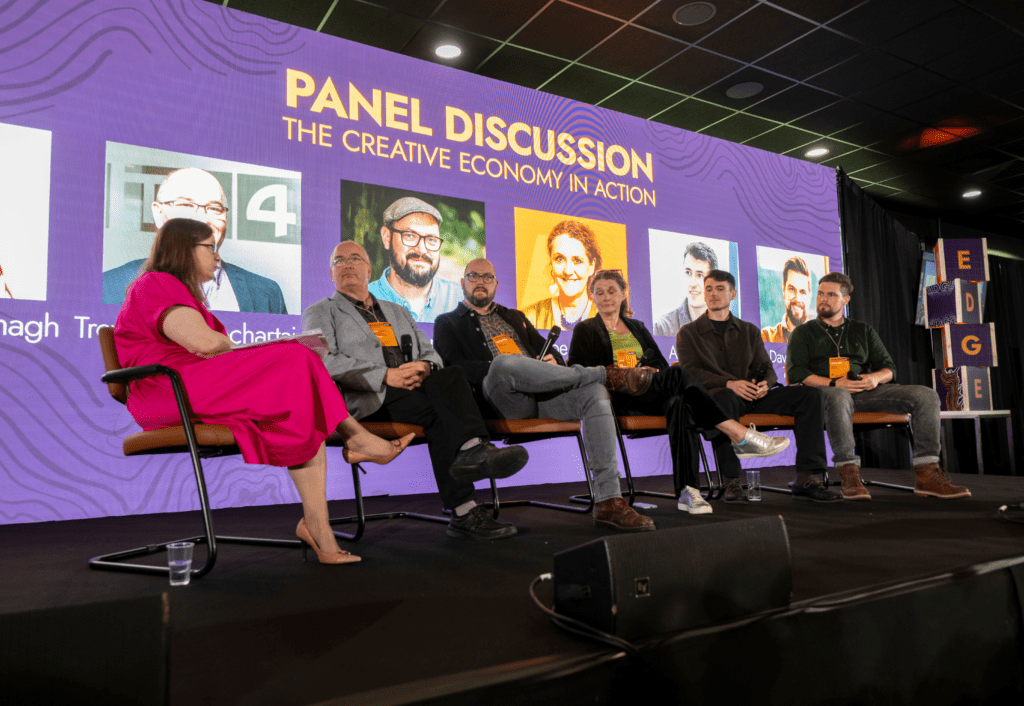
AI is accelerating transformation across the sector
Artificial intelligence was a key topic throughout EDGE26 and AI literacy emerged as a key recommendation in the whitepaper From Momentum to Scale, published as part of EDGE26.
Speakers shared perspectives on how AI is reshaping:
- Production workflows
- Audience engagement
- Content generation
- Localization and personalization
- Creative experimentation and rapid prototyping
At the same time, there was thoughtful discussion around ethics, originality, copyright, and the need to preserve authentic human creativity. The overall sentiment was pragmatic rather than fearful: AI is becoming embedded across creative industries, and success will depend on learning how to use it responsibly while protecting creative identity and value.
Regional ecosystems are becoming increasingly important
Another major insight from EDGE26 was the importance of regional innovation ecosystems. Galway and the wider Western and Northwestern regions were repeatedly highlighted as examples of how creative communities can collaborate to build globally relevant industries outside traditional capital-city models.
The Summit showcased growing momentum across regional hubs where universities, enterprise agencies, startups, creative studios, and research centres are increasingly working together to accelerate innovation.
This emphasis on collaboration extended across nearly every discussion. Speakers stressed that future growth will depend on connected ecosystems sharing expertise, infrastructure, networks, and talent. EDGE26 itself reflected this model, bringing together voices from enterprise, academia, government, investment, and the creative sectors into one coordinated conversation about future economic strategy.
Scaling creative businesses remains both the challenge and the opportunity
Entrepreneurship and startup growth featured heavily throughout the event. Founder stories and attendee reflections pointed to both the challenges and opportunities involved in scaling creative businesses internationally.
Key priorities identified included:
- Access to funding
- Commercialization support
- Export readiness
- Strategic partnerships
- Talent development
- Long-term ecosystem support
There was strong encouragement for creative founders to think globally from the outset and to position their businesses within emerging international markets.
Talent development needs to evolve alongside the industry
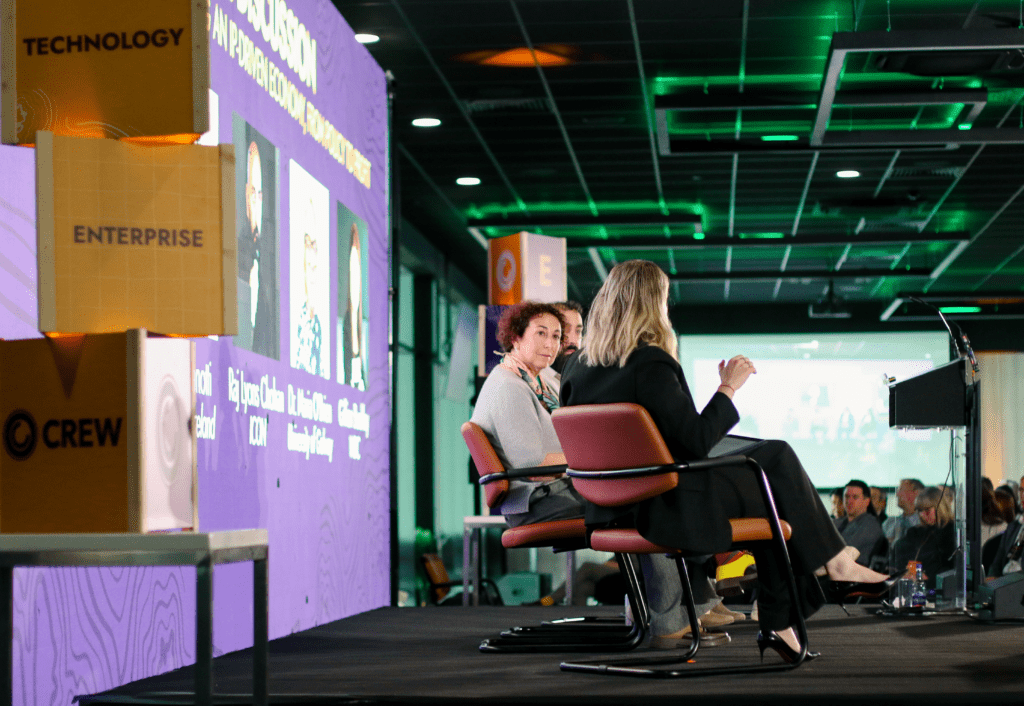
Talent and skills development emerged as another critical priority. As industries evolve rapidly, there is growing demand for multidisciplinary professionals who combine creativity, technical fluency, entrepreneurial thinking, critical thinking, and commercial awareness.
Speakers emphasized the need for strong pathways between education and industry, as well as more opportunities for emerging talent to gain practical experience within startups and innovation-focused creative companies.
Policy needs to fully recognize the economic potential of the creative industries
One of the strongest undercurrents throughout EDGE26 was the need for policy and enterprise strategy to fully understand the role creative industries can play in driving innovation across the wider economy.
Too often, creative sectors are still viewed primarily through a cultural or arts funding lens rather than as strategic contributors to:
- Innovation and R&D
- Export growth
- Digital transformation
- Talent attraction
- Regional economic development
- Cross-sector collaboration
EDGE26 reinforced the importance of more joined-up thinking between enterprise, education, innovation, and cultural policy. As AI and emerging technologies reshape industries globally, creative capability will become increasingly important to how businesses innovate, communicate, and compete.
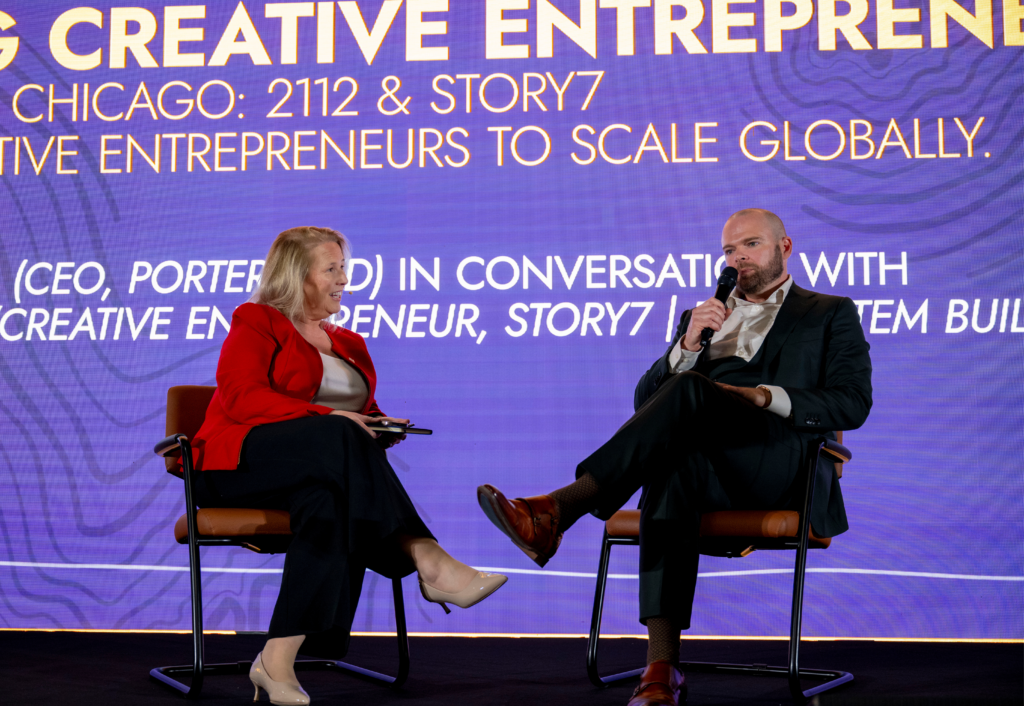
A sector entering a new phase
One of the strongest undercurrents throughout EDGE26 was optimism. Across attendee reflections and speaker insights, there was a clear sense that Ireland is entering a new phase in the development of its creative economy.
The ambition has shifted from supporting isolated creative projects toward building internationally competitive industries with long-term economic impact.
The summit also reinforced the importance of visibility and confidence. Ireland already possesses world-class creative talent, research capability, and entrepreneurial energy, but may still lack the global narrative and coordination needed to fully capitalize on those strengths.
Events like EDGE26 matter because they create the space where ideas are formed, evidence is shared, connections are made, and future collaboration begins.
At CREW, the belief is that building a globally competitive creative economy requires connected ecosystems, shared ambition, and sustained collaboration. EDGE26 was designed to help create that space.
One week on, what is most encouraging is not simply the scale of the event, but the momentum and alignment it generated around what comes next.
The conversation continues, and so does the work ahead.
You can read the full From Momentum to Scale whitepaper here: [insert link]
Thank you to every speaker, founder, exhibitor, partner and attendee who helped bring this shared vision to life.
This is only the beginning.