


As part of CREW’s summer EU Spotlight series, we’re exploring the ideas, partnerships and opportunities emerging through our European projects and international collaborations.
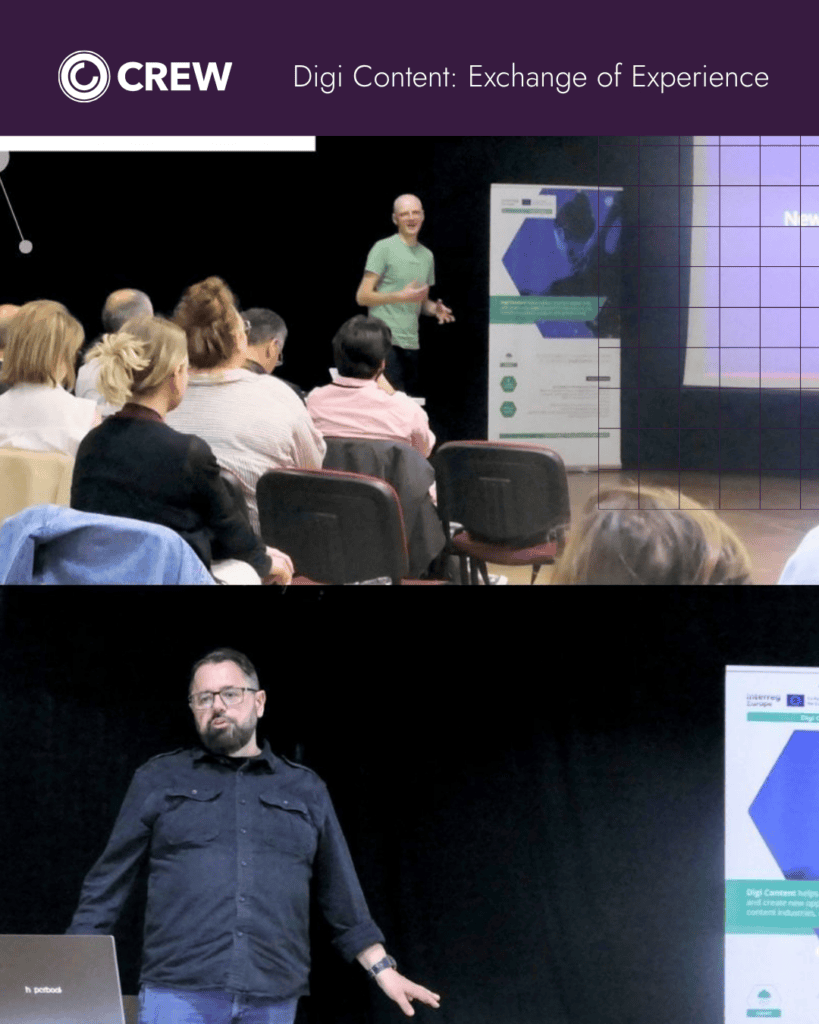
Earlier this month, CREW CEO Niamh Costello and Director of Programmes & Projects Ainslie Peters travelled to Zabrze and Katowice, Poland, to participate in the third Exchange of Experience meeting for Digi Content, an Interreg Europe project focused on strengthening regional policies that support innovation across the creative and content industries.
The project brings together partners from across Europe to explore how emerging technologies such as Extended Reality (XR) and Artificial Intelligence (AI) can help regions unlock new opportunities for their cultural and creative sectors. By sharing knowledge, identifying good practice and informing regional policy, Digi Content aims to ensure creative businesses, cultural organisations and public bodies are better equipped to embrace digital transformation and future innovation.
For CREW, participating in projects likeDigi Content is about more than international networking. It is an opportunity to learn from Europe’s leading creative ecosystems and bring practical insights back to the West and North West of Ireland to support founders, SMEs and the wider creative economy.
Heritage as a Driver of Innovation
One of the strongest messages to emerge throughout the exchange was that digital transformation presents an exciting opportunity to create new ways for people to experience, understand and engage with cultural heritage.
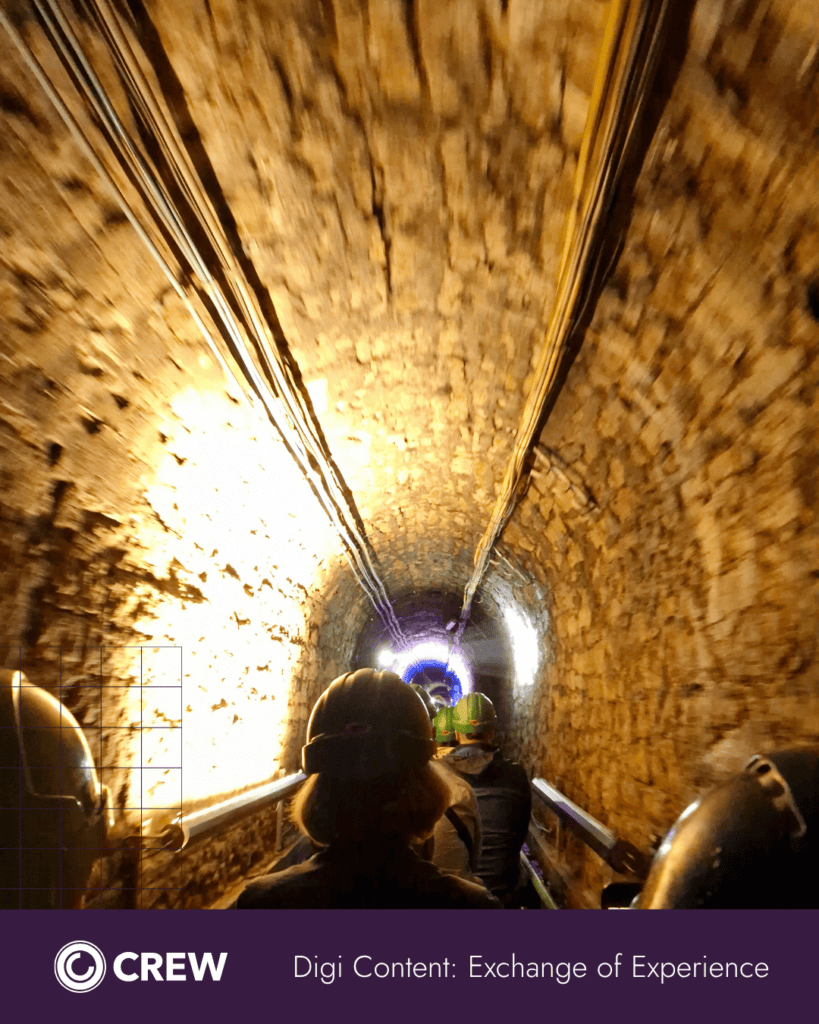
Hosted by the Coal Mining Museum in Zabrze and the Marshal’s Office of the Silesian Voivodeship, the study visit explored how former industrial sites are being reimagined through digital technologies while remaining deeply connected to their history.
Visits to the Guido Coal Mine and the Queen Louise Adit demonstrated how immersive interpretation, digital storytelling and interactive experiences can transform heritage sites into engaging destinations that attract new audiences while preserving authenticity. These examples highlighted how technology can strengthen, rather than diminish, our connection to place.
For creative businesses working in areas such as immersive media, gaming, digital storytelling and experience design, this represents a growing opportunity. Heritage is increasingly becoming a platform for innovation, collaboration and commercial creativity.
Where Creativity Meets Entrepreneurship
Alongside visits to cultural sites, the programme showcased examples of collaboration between creative businesses, research organisations and innovation agencies.
Partners heard from initiatives including the Mining Documentation Hub’s GameJam programme, the Silesian Startup Foundation, Medialab Katowice and game development studio The Farm 51, each demonstrating different ways that creativity, technology and entrepreneurship can intersect to create new products, experiences and business opportunities.
Although each organisation approached innovation from a different perspective, one idea connected every conversation: meaningful progress comes from bringing together diverse disciplines and ways of thinking.
Whether it was game developers working alongside cultural institutions, researchers collaborating with entrepreneurs, or public bodies supporting industry-led innovation, the most successful initiatives were built on partnerships that combined complementary skills and shared ambition.
That collaborative mindset is reflected in CREW’s approach. Through programmes such as CEED and CLIMB, activity within the CREW Hub, and engagement with the wider community of founders, freelancers, SMEs and creative organisations across the region, we aim to create opportunities for people to connect, share ideas and learn from one another. The exchange in Poland reinforced the value of those connections, both within our region and across Europe.
Why European Collaboration Matters
Projects like Digi Content demonstrate the value of looking beyond regional boundaries to address shared challenges.
Across Europe, regions are asking many of the same questions. How can creative businesses adopt emerging technologies? How can cultural heritage become more accessible? How can regional policy better support innovation? And how can digital transformation create economic opportunity while protecting local identity?
No single region has all the answers.
Through Interreg Europe, partners have the opportunity to exchange ideas, learn from successful approaches and adapt them within their own regional contexts. That collaborative approach sits at the heart of Digi Content, helping regions strengthen policy while supporting more resilient and competitive creative economies.
Looking Ahead
As digital technologies continue to reshape the creative and cultural industries, projects like Digi Content reinforce the importance of ensuring innovation remains rooted in people, place and culture.
Our experience in Poland highlighted how heritage, technology and entrepreneurship can work together to create stronger regional economies, opening new opportunities for creative businesses and creating more accessible means of engaging with our rich cultural heritage.
Through international partnerships, we are not simply observing innovation elsewhere; we are actively bringing knowledge, relationships and practical learning back to our region to help shape the future of Ireland’s creative economy, underpinned by Pillar 3 in CREW’s Strategy Where Creativity Means Business (2025–2029): Industry Growth and Internatonalisation.
Over the coming weeks, our EU Spotlight series will continue to explore the ideas, partnerships and opportunities emerging through CREW’s European engagement.